
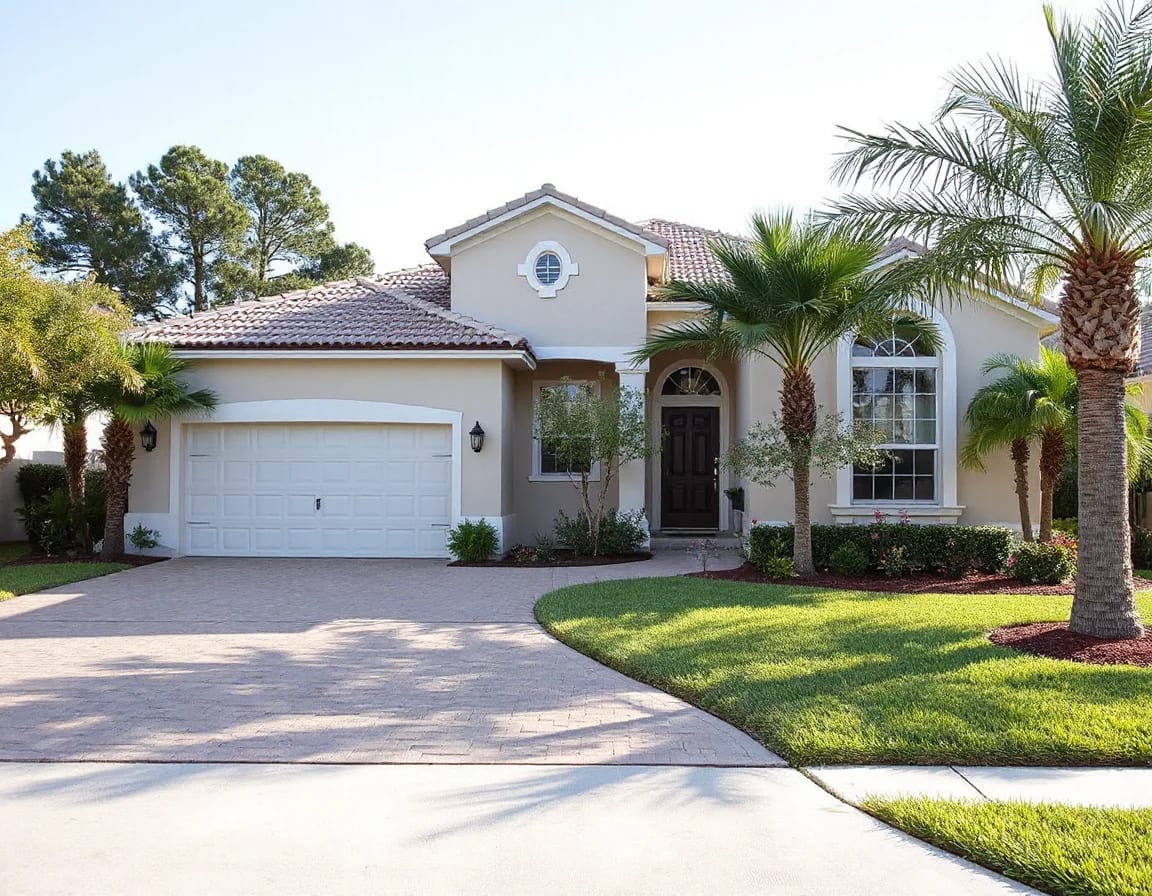
Touring homes is easier when you understand how Orlando pricing shifts from one band to the next. Small jumps in price can mean big differences in location, lot size, renovation level, HOA structure, or property type. This guide breaks down seven common price bands so buyers can compare options more clearly, set expectations early, and tour with a sharper eye.
Why price bands matter before you book a full weekend of showings
Home searches often feel confusing not because there are too few options, but because there are too many that look similar online. A condo at one price point, a townhome slightly above it, and a detached house a little higher can all appear side by side in search results. Once you start touring in person, though, the differences become much more obvious in square footage, finish level, parking, monthly carrying costs, commute patterns, and how much updating may still be ahead.
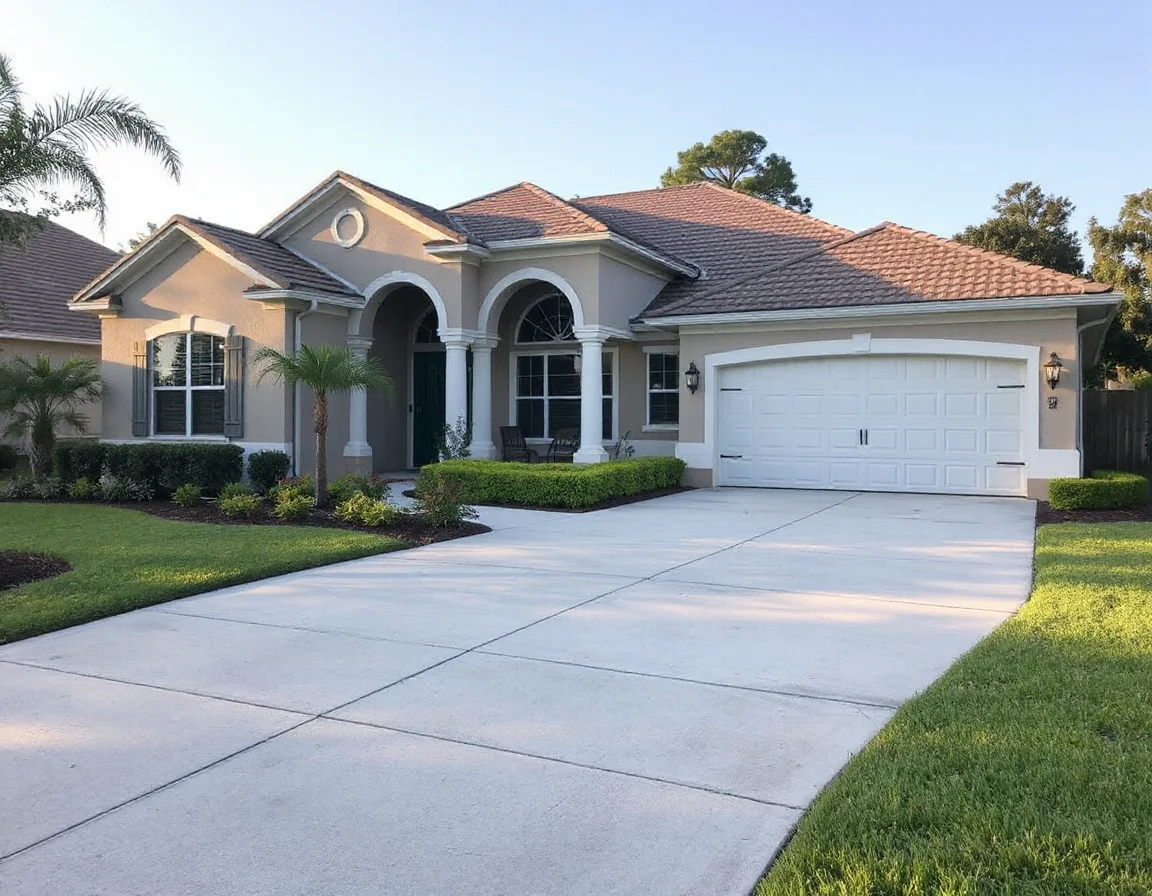
Thinking in price bands helps buyers narrow the field by asking the right questions before scheduling tours. Instead of simply saying, “We want the best home we can afford,” it becomes more useful to ask what changes as the budget rises. In the Orlando area, those changes can include newer construction, larger lots, stronger school-zone demand, proximity to employment centers, or more inventory in established neighborhoods with mature landscaping and custom architecture.
That approach also protects your time. If you know exactly what is typically available in each range, you can avoid touring homes that are either too compromised for your goals or so upgraded that they stretch your comfort level. The result is a more efficient search and more confident decision-making when the right listing appears.
Band 1: Entry-level options and budget-conscious starting points
At the lower end of Orlando-area pricing, buyers often find condos, smaller townhomes, older properties needing updates, or homes located farther from major employment and entertainment corridors. This band can still present real opportunity, especially for buyers who are comfortable prioritizing function over finishes or who see value in making improvements over time.
The key here is to study the full monthly cost, not just the purchase price. Condo and townhome communities may have association fees that affect affordability, while older homes may require near-term spending on roofs, HVAC systems, windows, or plumbing. Some listings look attractive at first glance but become less compelling once insurance, maintenance, and renovation costs are added to the picture.
In this band, strong preparation matters. Buyers should review comparable sales carefully, confirm lending options for the specific property type, and ask early about reserves, special assessments, and ownership ratios when considering attached housing. A lower price can be a smart entry point, but it works best when the numbers are understood in full.
Band 2: More choice, but still highly competitive
Move up one tier and the search usually starts to open up. Buyers may see a broader mix of older single-family homes, better-condition townhomes, and neighborhoods with more consistent upkeep. This is often where many shoppers begin to feel they have “real” options, which is exactly why competition can intensify.
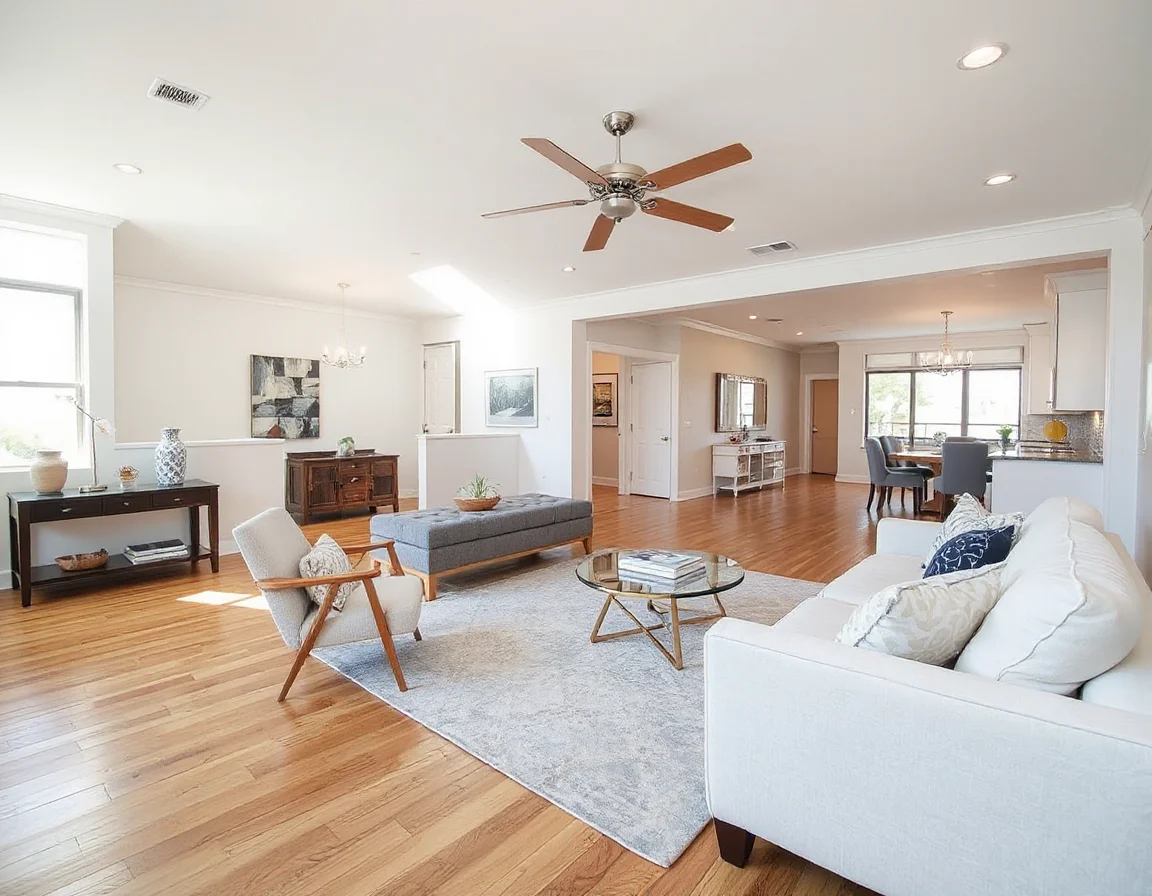
What buyers gain in this range is often better balance. You may find more practical layouts, less deferred maintenance, and locations with easier access to major roads, retail corridors, parks, and everyday services. Even so, tradeoffs remain. One property may offer more space but need cosmetic work, while another feels turnkey but comes with a smaller lot or attached-wall living.
This is where touring with a checklist helps. Track not just style, but ceiling height, storage, natural light, garage size, traffic noise, age of major systems, and whether the floor plan fits your daily routine. Two homes in the same price band can feel very different once you move beyond listing photos.
Because this range often attracts broad attention, well-priced homes may move quickly. Buyers who already understand their financing, preferred locations, and must-have features are in a stronger position when a solid option hits the market.
Band 3: The crossover zone where expectations shift
There is usually a middle band in any market where the conversation changes from “what can we get?” to “what do we want most?” In Orlando, this can be the crossover zone where buyers begin seeing more detached homes in desirable pockets, renovated interiors, flexible office space, and outdoor areas that feel more usable year-round.
It is also the range where compromises become more strategic instead of purely financial. You may be choosing between an older home in a central location and a newer one farther out, or between community amenities and lot privacy. Neither choice is automatically better; the value depends on how you intend to use the home and what matters most to you over the next several years.
For many buyers, this is the sweet spot for serious comparison shopping. Inventory may include homes with updated kitchens, better curb appeal, improved energy efficiency, and more polished presentation overall. Still, pricing discipline matters. The best-looking property on the tour list is not always the best buy if it is significantly outpacing relevant comparable sales.
Band 4: Established neighborhoods and stronger finish levels
In the next band up, buyers often start to notice a stronger concentration of properties with mature landscaping, more architectural variety, larger footprints, and interiors that have been renovated with resale in mind. Homes may feel more complete from day one, with fewer immediate projects and a more cohesive level of maintenance.

Location often plays a bigger role here. Buyers may be comparing established neighborhoods near employment centers, medical campuses, higher-demand corridors, or areas known for walkable pockets, golf access, or proximity to lakes and recreation. Those location advantages can support pricing even when the home itself is not the largest in the field.
This band is worth studying closely because value can hide in plain sight. A house with modest staging but excellent bones may outperform a trendier listing with less functional space. Pay attention to renovation quality, not just design style. Cabinet construction, window age, roof life, flooring materials, and outdoor drainage can matter just as much as visual impact.
Buyers also benefit from reviewing how long homes stay on market in this range. Some neighborhoods support faster absorption and stronger list-to-sale-price ratios, while others offer more room to negotiate depending on inventory levels and seasonality.
Band 5: Lifestyle upgrades, larger lots, and more customization
Once buyers reach the upper-middle tiers, the inventory often begins to feel more distinctive. Floor plans may include bonus rooms, larger primary suites, three-car garages, dedicated work areas, expanded lanais, or pools. Outdoor living becomes a bigger part of the value equation in Central Florida, especially when shade, privacy, and layout make the space usable for much of the year.
At this level, buyers should look beyond square footage and ask how the home delivers convenience and flexibility. Is the kitchen truly designed for daily use? Does the lot offer separation from neighboring homes? Are upgrades concentrated in visible surfaces, or do they extend to systems, insulation, irrigation, and impact-resistant features where applicable?
This is also where custom and semi-custom differences start to show up more frequently. Some homes will command a premium because they offer distinctive design, water views, golf frontage, or particularly polished renovation work. Knowing whether those premiums are supported by comparable sales is essential before making a strong offer.
Band 6 and Band 7: Premium and luxury segments with a different set of rules
In Orlando’s premium and luxury ranges, the market behaves differently. Buyers may encounter gated communities, custom architecture, estate-sized lots, lakefront settings, newer luxury construction, or highly upgraded residences in established enclaves. Inventory is often thinner, and homes can vary widely even within the same price bracket because land, view, and uniqueness begin to matter more than simple price-per-square-foot math.
Negotiation in these upper bands tends to be more nuanced. A property may justify its pricing through irreplaceable location, a recent top-tier renovation, or amenities that are uncommon in the surrounding market. Another may look impressive online but sit longer because it is priced ahead of buyer demand. The spread between average and exceptional homes usually widens here.
For buyers touring in these segments, preparation still matters just as much as in entry-level ranges. Review recent sales, but also examine what made those homes comparable: waterfront exposure, privacy, lot orientation, guest accommodations, outdoor entertaining areas, and finish quality. In higher-end Orlando real estate, details carry more weight because buyers are often comparing not just bedrooms and baths, but overall experience.
A smarter Orlando home tour starts with clearer expectations
The most productive buyers are not the ones who tour the most homes; they are the ones who understand what each price band is likely to deliver before they walk through the front door. In Orlando, that means looking past headline price and evaluating property type, neighborhood position, monthly costs, condition, and how each listing fits your real priorities.
When you know where the meaningful jumps happen, you can decide whether it makes sense to stretch, stay disciplined, or shift the search to a different area or housing style. That clarity turns touring from a guessing game into a strategy. And in a market with a wide mix of condos, townhomes, suburban neighborhoods, golf communities, and luxury pockets, that strategy can make every showing far more useful.