
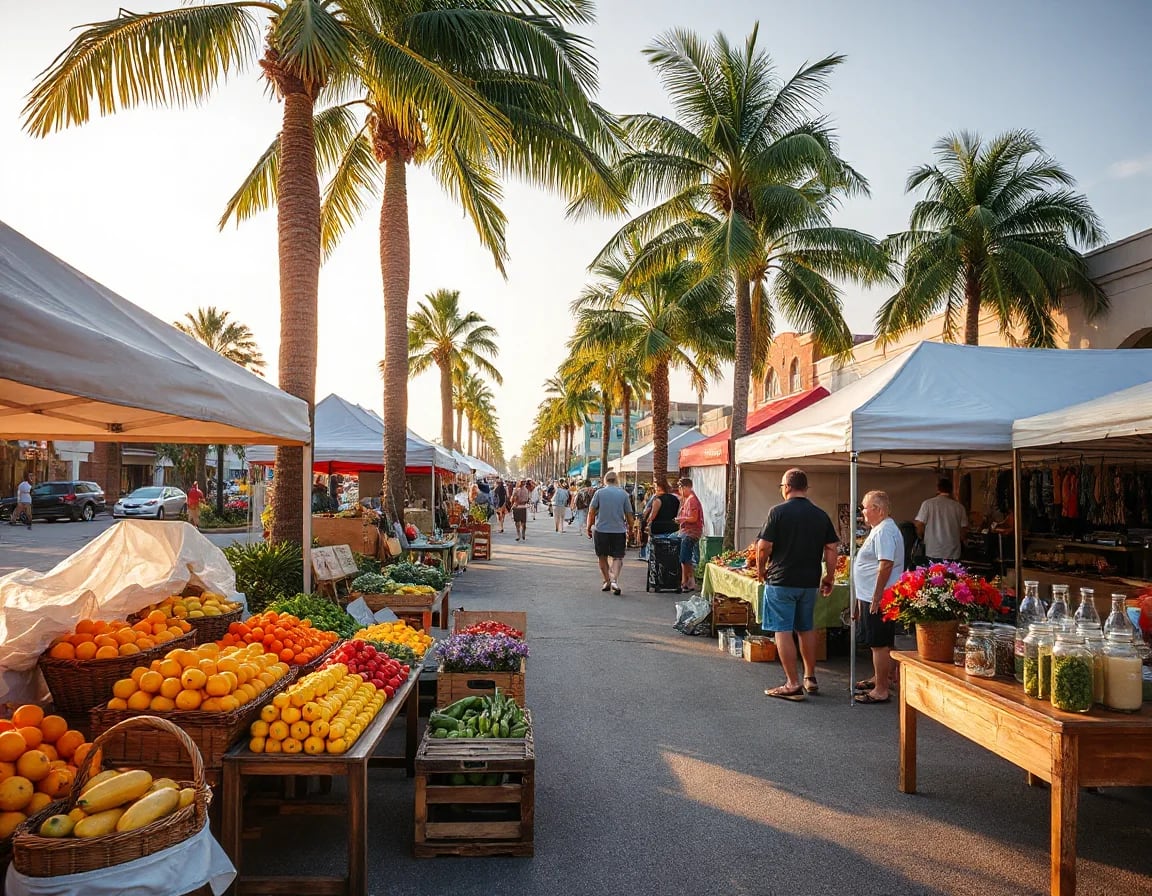
Kissimmee is often introduced through theme parks, but daily life here is shaped just as much by practical conveniences, outdoor spaces, and local routines. From chain-of-lakes recreation to shopping corridors and commuter access, these are the kinds of features residents tend to use week after week. If you want a clearer picture of what makes the area functional as a place to live, this guide highlights six everyday advantages worth knowing.
Kissimmee works well when ordinary life matters
It is easy for any Central Florida conversation to start with tourism, but the more useful question for home buyers and homeowners is what a place feels like on a Tuesday morning, a quick errand run, or a weekend with no big plans. That is where Kissimmee starts to stand out. The city offers a blend of established neighborhoods, newer development, major retail access, outdoor recreation, and road connections that make daily routines easier than many outsiders expect.
One of the biggest perks is simply variety. In a short drive, residents can move from lakefront views to grocery stops, medical offices, sports facilities, and entertainment options that do not require a special occasion. That flexibility matters in a market where people are comparing not only home prices, but also how much time they spend in traffic and how far they need to travel for the basics.
For anyone exploring the area, it helps to look beyond landmark attractions and pay attention to the practical infrastructure that supports everyday living. Kissimmee has built much of its appeal on those reliable, repeat-use features that become part of a normal weekly rhythm.
1) The lakefront is not just scenic, it is genuinely usable
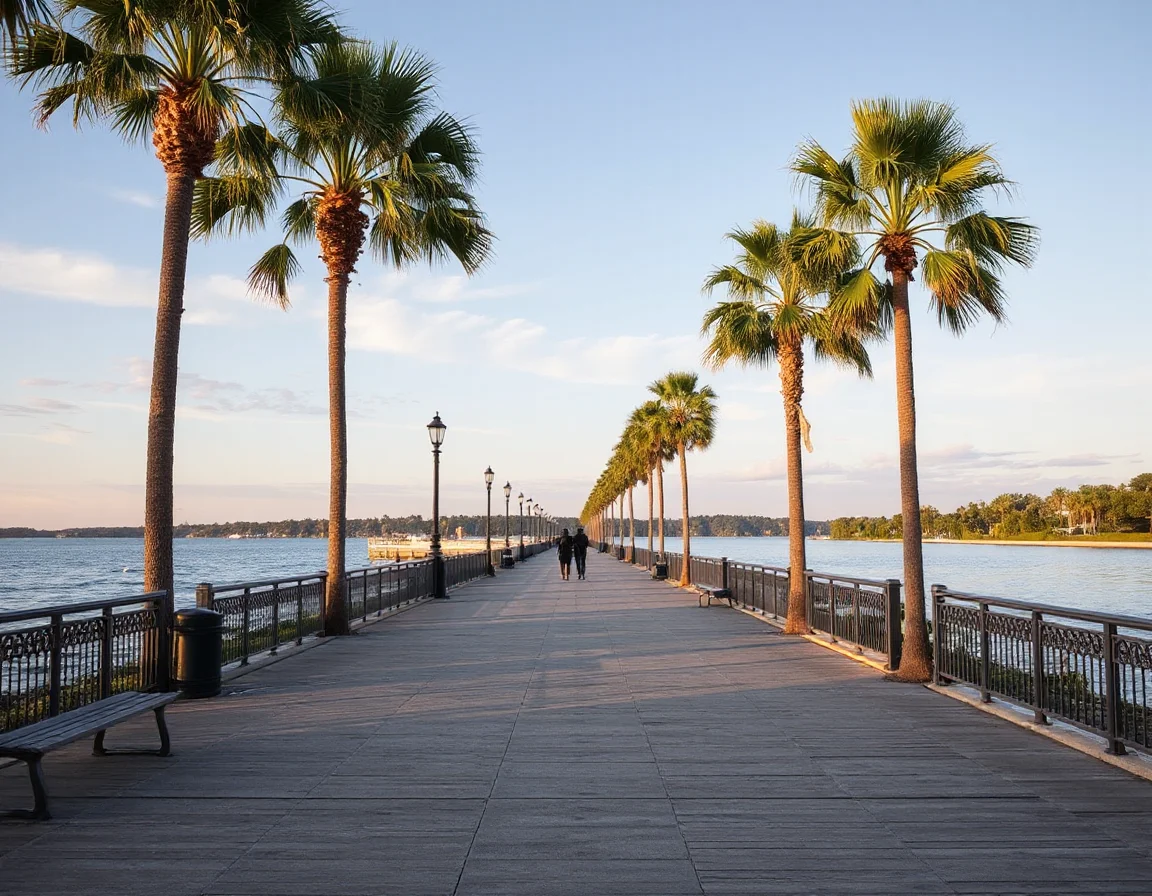
Kissimmee Lakefront Park is one of those places that adds value to ordinary life because it is both attractive and functional. Residents use it for walking, jogging, sitting by the water, catching a sunset, or meeting up outdoors without needing a long drive. The paths, open lawns, and waterfront setting create a change of pace that feels accessible rather than reserved for a once-a-month outing.
That kind of amenity can shape how a city feels on a daily basis. A well-maintained public space offers room to unwind, exercise, and enjoy Florida weather in a setting that feels connected to the natural landscape. For people comparing communities, nearby parks and public waterfront access can be just as important as square footage inside the home.
Kissimmee’s chain-of-lakes identity also opens the door to boating and fishing in the broader area. Even for residents who are not on the water every weekend, knowing those recreation options are nearby adds another layer to the local lifestyle.
2) Shopping and errands are easy to fold into the day
A second everyday advantage is convenience. Kissimmee has multiple retail corridors and service hubs, which means routine stops rarely require a complicated plan. Grocery stores, pharmacies, home improvement stores, fitness options, and everyday dining are spread across well-traveled parts of the city, helping residents combine several tasks into one trip.
This may sound simple, but convenience affects how a market feels over time. A neighborhood can be beautiful, but if every basic errand turns into a long drive, the appeal can wear thin. In Kissimmee, many residents appreciate being able to access essentials relatively quickly, especially near major roads such as U.S. 192, John Young Parkway, and Osceola Parkway.
The area also offers a mix of national brands and local businesses, giving buyers more than one way to approach daily spending. Whether the priority is practical shopping, a casual meal, or a quick stop on the way home, the city’s commercial layout supports real-life routines.
3) Road access helps with regional mobility
Another perk locals use constantly is connectivity. Kissimmee benefits from its position within the broader Orlando metro, with access points that can help residents reach employment centers, entertainment districts, Orlando International Airport, and neighboring communities across Central Florida. Depending on the exact neighborhood, roads such as Florida’s Turnpike, Interstate 4, and State Road 417 can play a major role in commute planning.
That does not mean traffic disappears—this is a busy region, and travel times vary by season, time of day, and construction activity. Still, the available network matters. For many buyers, being able to move between work, home, and recreation without feeling isolated is a major reason Kissimmee stays on the shortlist.
Regional access also supports flexibility in home search decisions. Some buyers want to stay close to local amenities, while others prioritize a location that offers a practical drive to other parts of Central Florida. Kissimmee can serve both goals, which broadens its long-term appeal.
4) Recreation is woven into the area, not added as an afterthought
Daily life here includes more than errands and commuting. Sports fields, golf options, walking trails, and public gathering spaces contribute to a local rhythm that feels active without requiring a formal event calendar. Residents can use these amenities casually, whether that means an early morning round of golf, an evening walk, or time outdoors on a mild winter afternoon.

The climate is part of that equation. Central Florida weather supports year-round outdoor activity more consistently than many parts of the country, and that influences how residents use their time. Instead of treating outdoor space as seasonal, many people build it into their regular schedule.
This can also affect home preferences. Buyers often place extra value on screened lanais, patios, community pools, and neighborhoods with walking paths because those features are likely to get real use. In Kissimmee, the connection between home life and outdoor living is not just aspirational marketing; it is a practical part of the local pattern.
5) The housing mix gives buyers more ways to search
Kissimmee’s real estate landscape is another everyday advantage because it offers range. Buyers can find condos, townhomes, single-family homes in established areas, and newer communities with different amenity packages and price points. That variety matters in a market where priorities can shift quickly between budget, maintenance level, layout, and commute.
Some shoppers want lower-maintenance living near key corridors. Others are focused on larger lots, newer construction, or community amenities. The presence of multiple housing types gives people more room to compare options based on how they actually live, rather than forcing every search into one narrow category.
In a dynamic Central Florida market, that flexibility can be especially valuable. Conditions change, inventory moves, and financing goals evolve. Working with a team that follows local trends closely can help buyers and sellers understand where value is showing up from one part of the area to another.
6) Local dining and gathering spots help the city feel lived-in
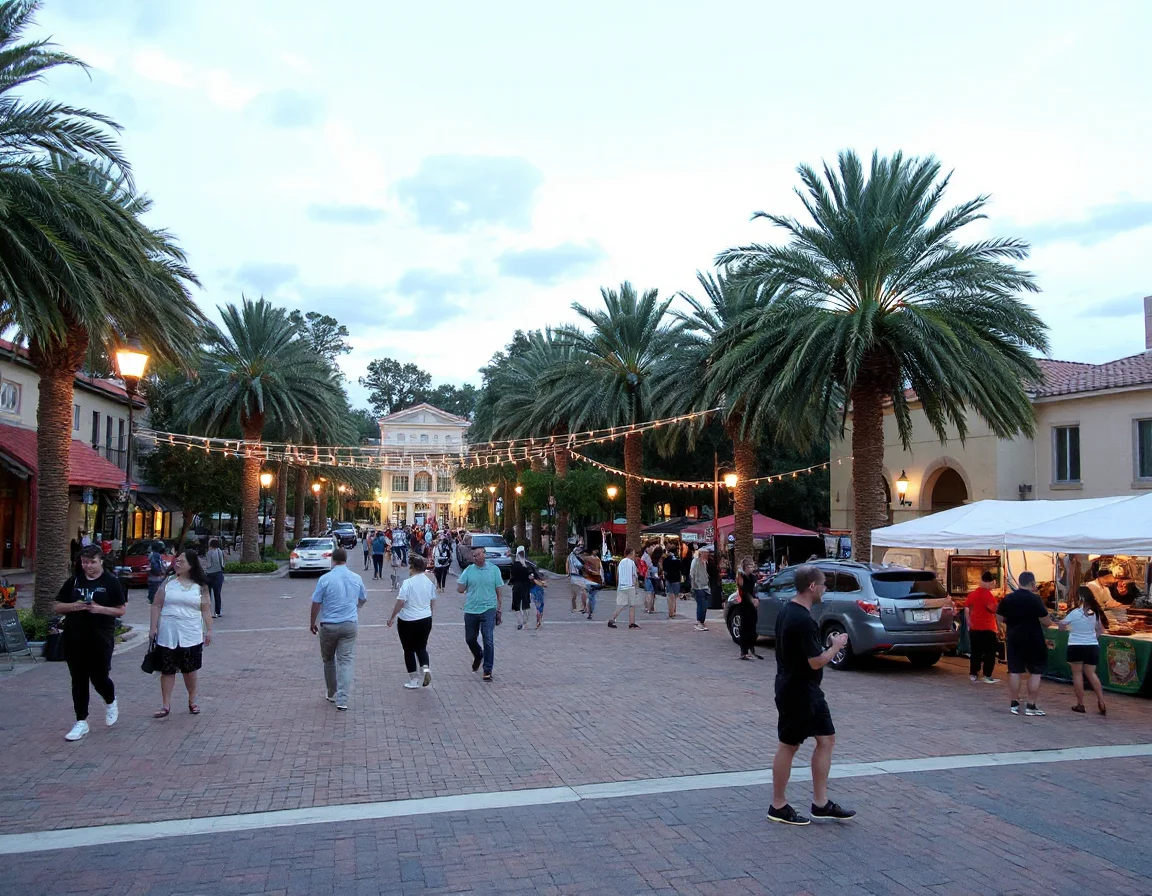
Finally, one of the most underrated perks is that Kissimmee has its own everyday rhythm beyond visitor destinations. Residents have access to local favorites, casual meeting spots, waterfront areas, and community events that make the city feel grounded in regular use. These are the places people return to because they are convenient, familiar, and enjoyable, not because they are on a vacation checklist.
That sense of repetition matters. A city becomes more comfortable when there are a few reliable places to walk, eat, meet, or spend an hour outdoors without needing a major plan. Over time, those repeated routines often shape how people feel about their neighborhood more than headline attractions ever could.
For buyers looking at Central Florida, Kissimmee’s appeal often comes into focus when they stop asking what draws visitors and start asking what supports residents. The answer is a collection of practical perks—usable parks, accessible roads, everyday retail, recreation, and a broad housing mix—that continue to matter long after move-in day.
A clearer way to evaluate the area
If you are comparing communities in the Orlando region, it helps to look at the habits a location can support: where errands happen, how often outdoor space is used, what the commute feels like, and how many home styles are realistically available. Kissimmee performs well in those categories, which is why it remains a serious option for many people moving within or into Central Florida. The theme parks may get the attention, but the everyday perks are what make the city work.