
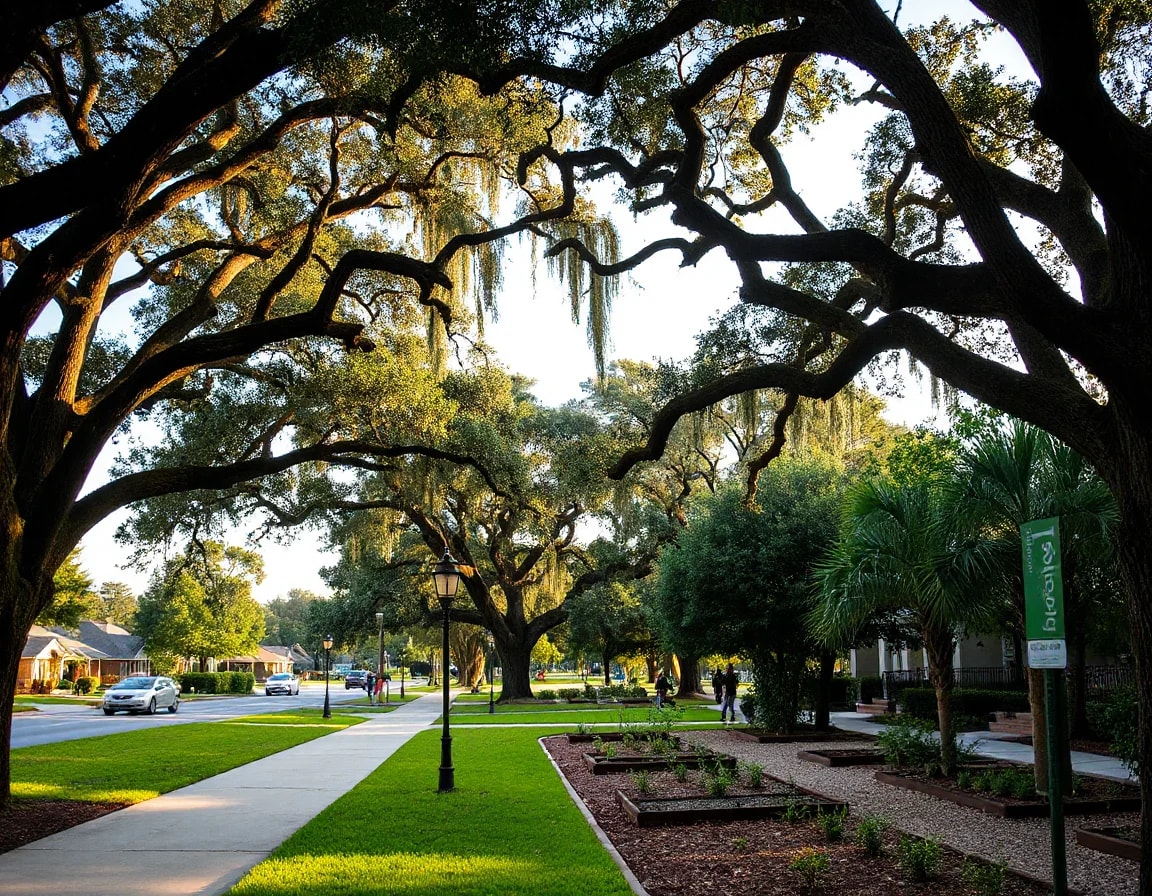
Some places stand out for more than square footage, and Winter Park is one of them. Its blend of mature oak canopies, chain-of-lakes scenery, established streetscapes, and tightly held housing stock creates a feel that many buyers notice immediately. This article breaks down what gives the area its distinct character and why those qualities often support long-term value in a changing Central Florida market.
What gives Winter Park its distinctive feel?
In a region known for newer subdivisions and rapid growth, Winter Park offers a different rhythm. Streets shaded by large oaks, brick roads in select pockets, lake views, and a mix of historic and updated homes create a setting that feels rooted rather than newly assembled. That sense of continuity matters because buyers are often responding not just to a house, but to the experience of arriving home on a street with texture, established landscaping, and architecture that has evolved over time.
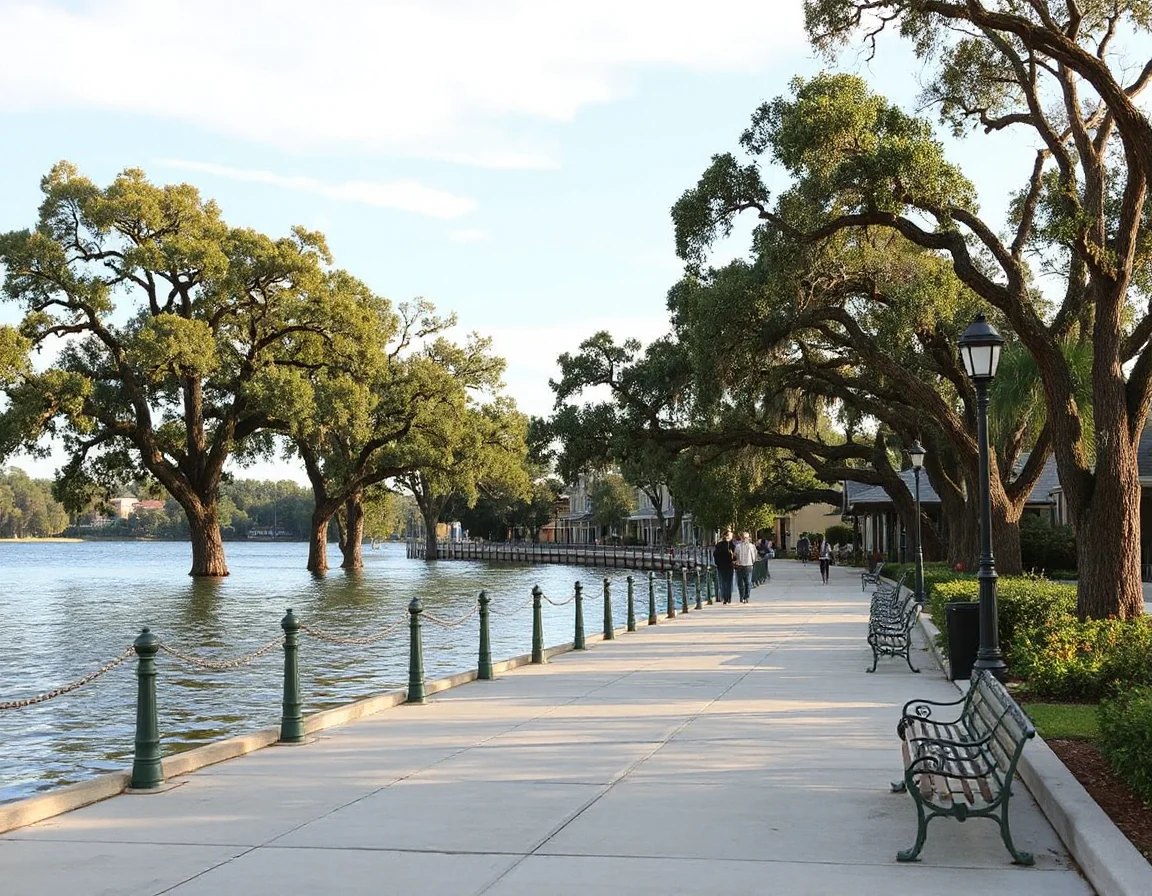
Part of the difference is visual. Large tree canopies soften the landscape, moderate the scale of homes, and give blocks a layered look that can take decades to develop. Lakes add another dimension, whether a property has frontage, water views, or simply proximity to the broader chain. Even when a home is fully renovated, the surroundings often deliver an established backdrop that newer communities cannot easily replicate.
There is also a practical side to that charm. Established neighborhoods frequently feature a wider range of lot sizes, architectural styles, and renovation histories, which can offer buyers more choice than a one-style development. In Winter Park, it is common to see classic homes, thoughtfully expanded residences, townhomes in walkable locations, and luxury properties near the water all within a relatively compact area. That variety helps sustain interest across multiple price points and housing preferences without relying on a single product type.
The result is a market identity that feels durable. Instead of being defined by one trend cycle, Winter Park tends to be shaped by long-standing physical features: trees, lakes, institutions, and neighborhood patterns that are not easily reproduced elsewhere in Greater Orlando.
The role of oaks, lakes, and established streetscapes
Mature natural features are a major part of the appeal. In Central Florida, a street lined with older oaks feels noticeably different from a newer corridor where landscaping is still growing in. Shade changes how a block is used and experienced. It can make a morning walk more pleasant, frame front elevations beautifully, and create an immediate sense of place before a buyer even steps inside a home.
Lakes do something similar. Winter Park’s chain of lakes and nearby water-oriented neighborhoods add visual openness and recreation value, but they also influence the broader identity of the area. Even homes that are not directly on the water can benefit from nearby lake access, scenic routes, and the prestige that often accompanies established waterfront enclaves. Buyers often attach value to these environmental features because they are finite. More homes can be built in the region; more mature lakefront streets cannot.
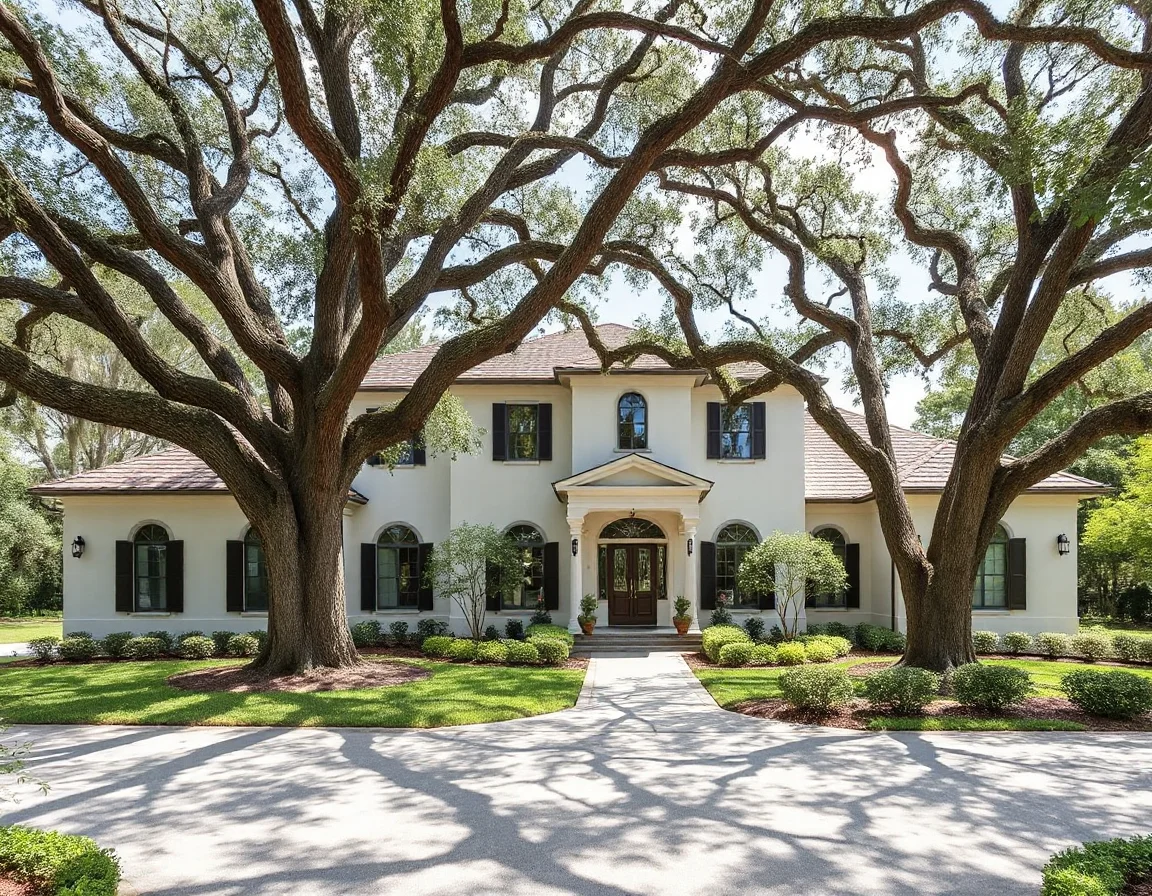
Established streetscapes matter as well. Sidewalks, setbacks, landscaping depth, and architectural variety all shape perception. A neighborhood where homes were built over many decades often has visual character that feels more organic than a newer master-planned section. That does not automatically make one better than the other, but it does explain why many buyers describe Winter Park as having a different atmosphere from much of suburban Orlando.
Those physical details also support everyday livability. Proximity to Park Avenue, cultural venues, green spaces, local dining, and scenic areas means many errands and leisure activities can feel more integrated into daily life. From a market standpoint, convenience layered onto aesthetic appeal tends to create resilience. When a location is attractive, functional, and hard to duplicate, demand often remains broader and deeper over time.
Why long-term value tends to attract attention here
Real estate value is never guaranteed, and every purchase should be evaluated based on price, condition, financing, and timing. Still, Winter Park often draws buyers who are thinking beyond the next year or two. One reason is limited supply in the most sought-after pockets. Another is the steady appeal of features that do not go out of style: walkable amenities, waterfront influence, established landscaping, and homes with distinctive design rather than interchangeable layouts.
Institutions and local anchors also contribute. The presence of respected schools, arts and cultural destinations, and a well-known local business district can support ongoing demand because they strengthen the area’s identity. Buyers are often more confident in places where the surrounding environment feels cared for and where amenities are already proven rather than merely proposed.
Renovation potential is another piece of the story. In an older housing stock, buyers may find opportunities to modernize interiors while preserving location advantages that are difficult to replace. A kitchen can be updated. A floor plan can sometimes be reworked. But a mature tree canopy, a strong neighborhood pattern, and established proximity to lakes and daily conveniences are much harder to manufacture. That distinction is part of why some homes in Winter Park continue to command attention even when they need cosmetic work.
For sellers, this often means presentation matters. Buyers shopping in Winter Park are frequently paying attention to curb appeal, craftsmanship, setting, and how a home fits into its street. For buyers, it means comparing not just finishes, but also lot quality, block character, flood considerations where relevant, and the long-term maintenance implications of older homes and large trees.
What buyers should look for in today’s market
The smartest approach is to evaluate Winter Park on both emotion and evidence. The emotional side is easy to understand: shade, water, charm, and architecture create a memorable first impression. The evidence side requires a closer look at comparable sales, renovation quality, insurance considerations, age of major systems, and the specific micro-location within the area.
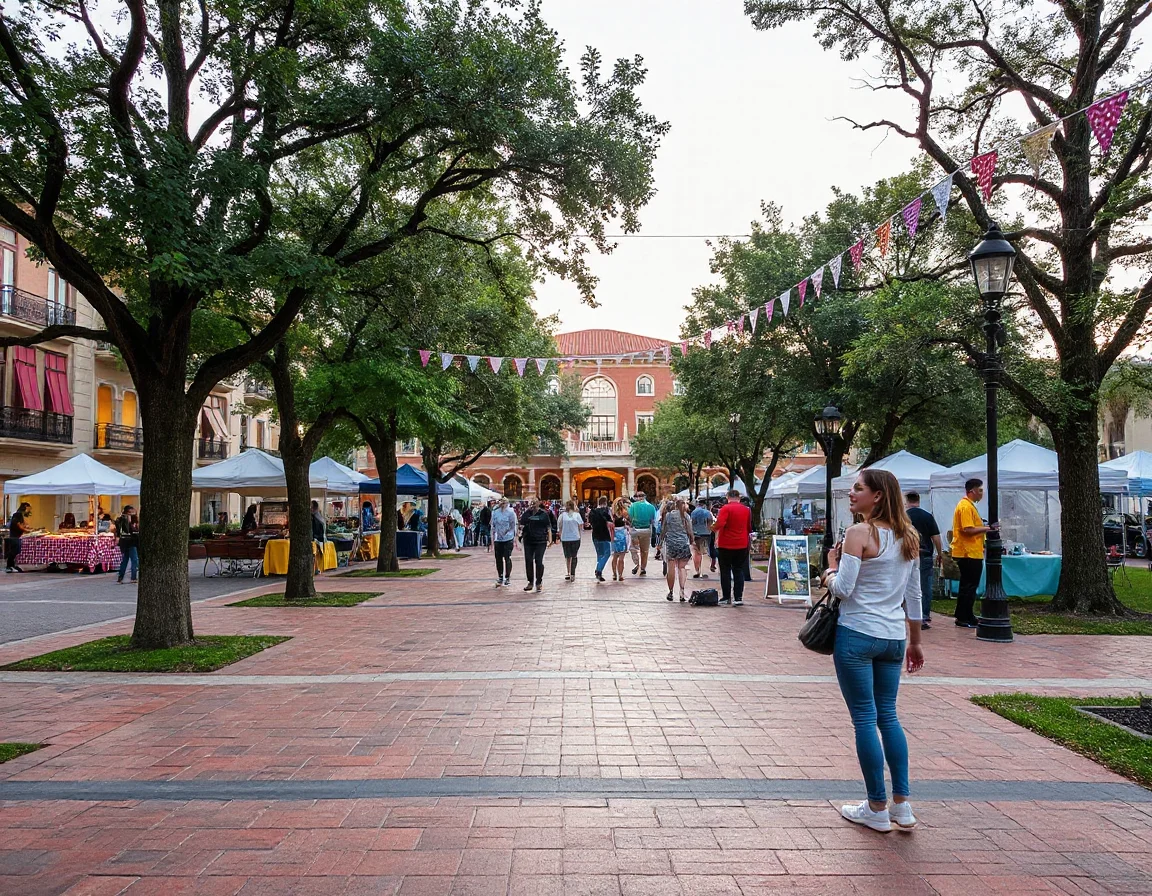
It is helpful to ask questions such as: How much of the value is tied to the lot versus the improvements? Has the home been updated in a way that respects the original structure? How does traffic pattern affect the block? Are you paying a premium for direct lake access, proximity to amenities, or simply a recognizable ZIP code? These distinctions can make a significant difference when comparing one property to another.
Buyers should also understand that “Winter Park” can mean different things depending on the address and neighborhood context. Some areas offer more walkability, some emphasize larger lots, and some provide easier access to downtown Orlando or major commuter routes. Looking carefully at the immediate surroundings often tells more than the headline location alone.
That is where local market insight becomes useful. A team with a strong Central Florida focus can help separate enduring value drivers from temporary buzz, identify which features truly move resale potential, and frame negotiations in the context of current Orlando-area conditions. In a market where subtle differences carry real pricing impact, informed guidance can be just as important as enthusiasm.
Final thoughts on a market with lasting appeal
Winter Park homes often feel different because the setting itself does much of the work. Oaks bring shade and scale. Lakes add openness and scarcity. Established streets lend character that cannot be rushed. When those elements combine with access to dining, culture, recreation, and a well-known local identity, the result is a market that many buyers see as more than just another option on the map.
For anyone considering a move within Central Florida, it is worth looking past surface-level finishes and paying attention to what truly lasts. In Winter Park, the strongest value story is often found in the relationship between the home, the lot, and the surrounding environment. That combination is what gives the area its distinct feel—and why it continues to stand out over time.